
Bathroom Renovation: A Phase-by-Phase Planning Guide for 2026

A bathroom renovation is the highest stakes small-room project in a house. The footprint is tight, every fixture is plumbed, every surface is wet, and the choices you make in the first week set the budget for the next eight. This guide walks the project phase by phase: scope, budget tiers, layout, fixtures, tiling, and lighting. It also shows where a preview from the AI Renovation bathroom remodel design tool shortens the decision loop before any tile is cut.
Phase one: scope the project honestly
Before you pick a single finish, decide what kind of renovation this actually is. A cosmetic refresh (new paint, fixtures, same layout, same plumbing) is a two-week job. A gut renovation that moves the shower and toilet stack is closer in scope to a whole-home remodel than a weekend upgrade. Writing down which version you are doing is the single best cost-control step you can take.
The honest scope conversation has three questions: are we moving water, moving walls, or changing the footprint? Any yes to the first two pushes the job into trade territory. A yes to the third usually requires a permit. A layout study in the bathroom renovation workspace lets you test "what if we moved the vanity here" on screen before you break the slab.
Phase two: set a realistic budget tier
Bathroom budgets cluster into three tiers, and knowing which one you are targeting prevents the slow drift from "simple remodel" into "we accidentally spent double." Running tier comparisons through an AI bathroom design tool helps you feel the difference between a mid-range and a premium bathroom without ordering physical samples.
- Cosmetic refresh. New toilet, vanity, resurfaced tub, paint, lighting, same tile. Low end because nothing in the wall changes.
- Mid-range (new layout, existing footprint). New tiles, shower, vanity, fixtures, likely a new toilet location within the existing wet wall. The most common homeowner project.
- Premium (full ensuite). Expanded footprint, freestanding tub, walk-in shower with niches, heated floors, double vanity, custom joinery. Usually involves moving at least one wall.
Every tier needs a 10 to 15 percent contingency. Tile surprises, old plumbing, and hidden water damage are the usual budget wreckers. A general interior remodeling guide covers contingency reasoning in more detail; bathrooms expose more hidden damage per square meter than any other room.
Phase three: pick the right layout for the footprint
Bathroom layouts come in a handful of repeating types. Picking the right one is less about taste than about how the plumbing and circulation want to sit on your floor plan. Walking the options through a home redesign AI workspace lets you see each variant at your actual room dimensions before you lock one in.
Three-piece bathroom (toilet, sink, shower or tub)
The default family layout. Economical and easy to plumb because all three fixtures share one wet wall. Works in footprints as small as 3.5 square meters. Trade-off: tub or shower, rarely both.
Four-piece bathroom (toilet, sink, shower, separate tub)
The upgrade layout when you have at least 6 square meters. Separates bathing from showering, useful for families. Needs two drain positions, so plumbing cost rises noticeably.
Master ensuite
Driven by a bedroom rather than a hallway. Often includes a double vanity, a walk-in shower, and either a freestanding tub or a deep soaking tub. Lighting zones and ventilation matter more here because the room doubles as dressing space. An AI home renovation planner is useful for ensuites because you can test how the bathroom sits against the attached bedroom before committing to a wall position.
Phase four: decide the fixtures in the right order
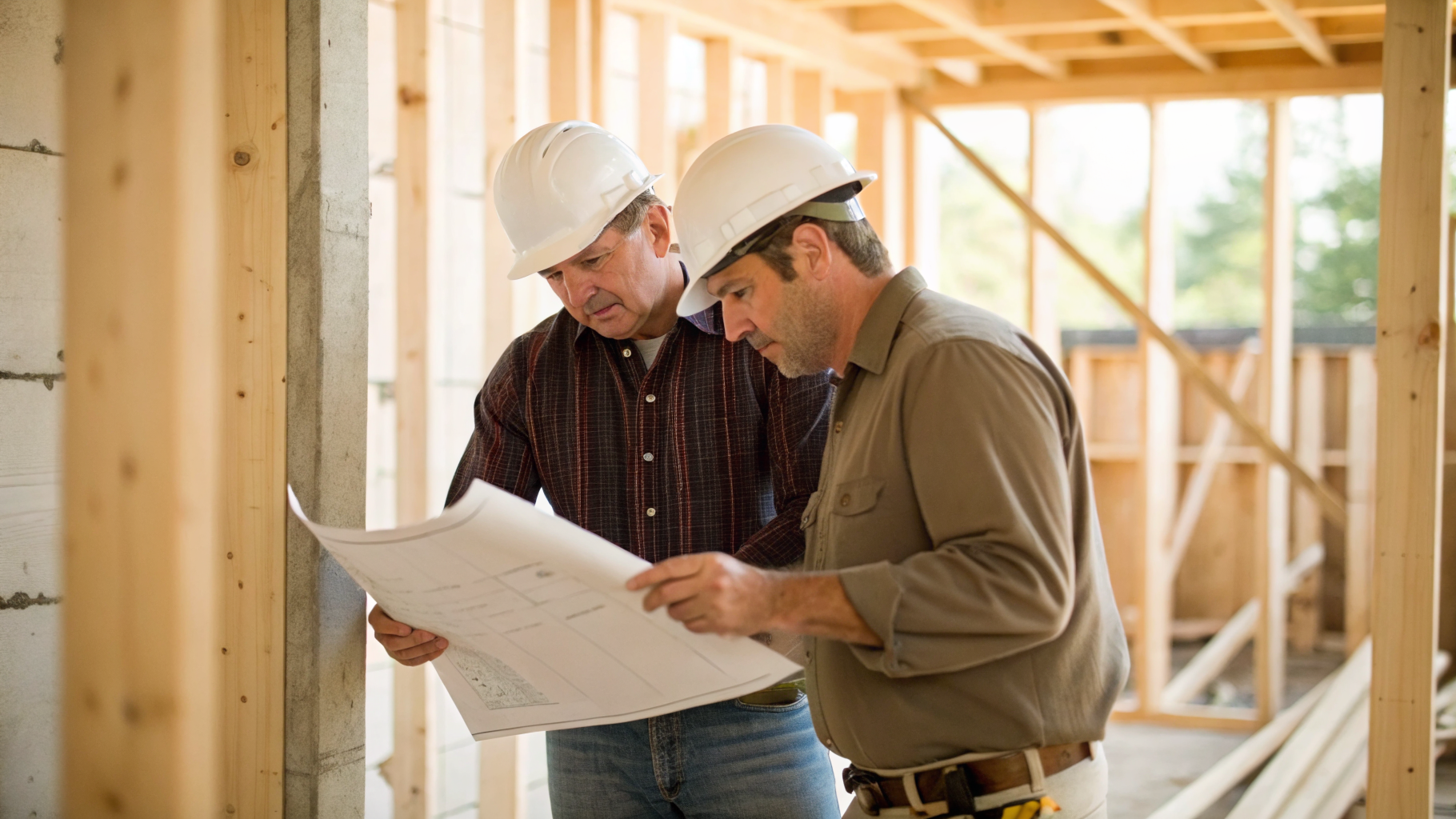
Fixture decisions have an optimal order; getting it wrong is how bathrooms end up with a beautiful vanity and a shower that does not fit. Sequence: shower or tub first (anchors the plumbing), then toilet (second fixed point), then vanity (most flexible), then faucets. A visualization in a room redecoration tool confirms scale and sight lines before you order.
- Shower or tub. Walk-in, framed enclosure, or alcove tub with shower over. Walk-in showers need at least 900mm by 900mm plus door clearance. Freestanding tubs need 150mm clearance on three sides.
- Toilet. Two-piece, one-piece, or wall-hung. Wall-hung toilets save 150 to 250mm of floor depth and make small bathrooms feel larger, at the cost of in-wall tank access.
- Vanity. Freestanding, wall-mounted, or custom joinery. Biggest scale question: can the vanity clear the door swing without brushing the handle? Measure twice.
- Faucets and hardware. Match the metal finish across shower, vanity, and towel rails. Brass, brushed nickel, and matte black age well; chrome is the economical default.
Phase five: plan the tiling and waterproofing
Tiling is where bathroom budgets either hold or collapse. The decisions that matter are tile size, placement, and grout color; everything else is preference. Large-format tiles (600mm by 600mm or larger) reduce grout lines and make a small bathroom read bigger, but require a perfectly flat substrate. Small mosaic tiles on the shower floor improve grip. A tile preview in a room-design workspace is the fastest way to see how a tile reads at scale before you order 20 square meters of the wrong one.
Waterproofing happens under the tile and is invisible once finished, which is why it is the most commonly skimped line item and the most expensive failure to fix. Insist on a fully tanked wet area: membrane up the wall by 150mm outside the shower, to the ceiling inside it. A planning session in the virtual renovation workspace helps communicate those zones to a tiler before they pick up a trowel.
Phase six: light the room in three layers
Most bathrooms are lit badly because they rely on a single ceiling fitting. A well-lit bathroom has three layers: ambient (ceiling or recessed downlight), task (sconces or integrated vanity lighting at face height), and accent (niche lighting, toe-kick LEDs). Previewing the three layers with the AI bathroom design tool catches shadow problems before the electrician cuts holes.
Dimming is non-negotiable in any bathroom that doubles as a night-time room. Two circuits (task and ambient) on separate dimmers give you a bright morning setup and a soft late-night setup from the same switches. An IP rating of IP44 is required in splash zones; inside the shower, IP65. A layout study in a room-layout tool makes zoning easy to brief to the electrician.
Phase seven: maximize a small bathroom
Small bathroom remodels are constrained but rewarding: every centimeter you reclaim is visible. Five moves add the most perceived space: wall-hung toilet, wall-mounted vanity, frameless glass shower panel, floor-to-ceiling tile in one continuous color, and a large mirror. Rendering each move in a virtual renovation preview is the quickest way to judge how far a small bathroom can stretch.
Phase eight: sequence the trades correctly
A well-sequenced bathroom renovation runs: demolition, framing changes, rough plumbing, rough electrical, waterproofing, tiling, fixture install, trim and paint, final plumbing and electrical, clean. A whole-home remodel reference sequences the same way. Missing a step (finishing tile before final plumbing) forces rework that compounds fast.
Most residential bathrooms take three to five weeks from demo to final clean if scope is clear and materials arrive on time. A bathroom preview in the bathroom renovation workspace compresses the material-selection window, which is where most projects lose a week to indecision.
Where AI preview earns its place in the workflow
AI-generated bathroom previews do not replace a builder, plumber, or tiler, but they compress two decisions: fixture scale and finish combinations. Seeing your room rendered with the actual tile, vanity, and faucet against the actual wall color removes guesswork that usually takes three rounds of physical samples. The AI Renovation bathroom design tool runs those combinations in minutes and has become the default first step for homeowners planning a renovation in 2026. Pair the preview with the phase-by-phase checklist above, hand the result to a qualified trade, and the finished room looks the way you pictured it.
Frequently asked questions
How long does a typical bathroom renovation take?
Three to five weeks for a mid-range remodel: a few days of demolition, a week of rough plumbing and electrical, a week of tiling, then fixture install and finish. Cosmetic refreshes can land in a week; full ensuite rebuilds run six to eight weeks.
What is the most expensive part of a bathroom renovation?
Labor tops fixtures. Plumbing, tiling, and waterproofing make up the largest line items, typically 40 to 55 percent of the total. Moving the toilet stack or shower drain adds materially to plumbing cost, which is why layout decisions dominate the budget.
Do I need a permit for a bathroom renovation?
Cosmetic refreshes usually do not. Any renovation that moves drains, alters load-bearing walls, expands the footprint, or adds circuits typically requires one. Check your local council before demolition; the fee is small, the rework after a failed inspection is not.
Should I choose a walk-in shower or a bathtub?
Walk-in showers suit most primary bathrooms and make small footprints feel larger. Keep a tub somewhere in the house if you have children or plan to sell soon; buyers still look for at least one bathtub. Four-piece layouts give you both.
What is the best tile size for a small bathroom?
Large-format tiles (600mm by 600mm or 800mm by 400mm) reduce grout lines and make a small bathroom read bigger. Pair with small mosaic tiles on the shower floor for drainage and grip. Matching grout color to tile color hides the lines further.
Can I keep the same bathroom layout and still get a fresh result?
Yes, and it is usually the best value choice. Holding plumbing in place while changing tiles, vanity, toilet, shower, and lighting delivers a near-new bathroom at 40 to 60 percent of gut-renovation cost. Move plumbing only for functional reasons.
How much should I budget for contingency?
Ten to fifteen percent for a mid-range remodel; fifteen to twenty percent for a gut renovation or an older house. Bathrooms expose more hidden damage per square meter than any other room, so contingency gets used more often than not.
What bathroom renovation ideas add the most resale value?
Neutral large-format tile, a walk-in shower with a frameless glass panel, a double vanity where footprint allows, and quality fixtures in a timeless finish. Heated floors and freestanding tubs add value in higher brackets but rarely return their cost in the mid-market.
Ready to get started? Try our Bathroom Remodel Design Tool, or AI Bathroom Design.
Explore more bathroom renovation design ideas in our gallery.