
Interior Remodeling: A Room-by-Room Guide for 2026
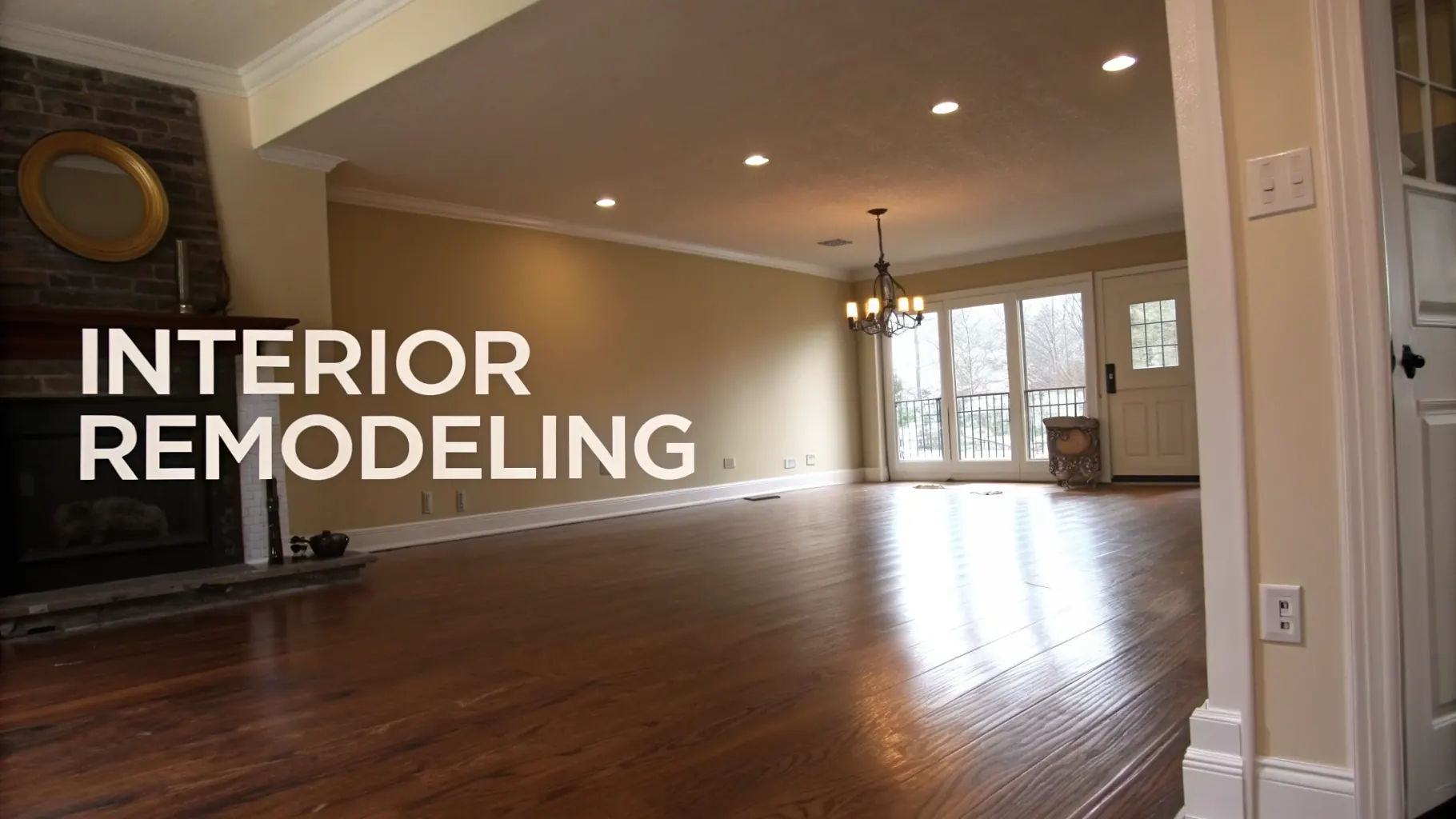
Interior remodeling sits between a quick refresh and a full structural build. It changes how rooms look and work without touching the envelope of the house, which makes it the most common project homeowners take on and the one where the concept phase matters most. This guide walks through the interior-only scope, room by room, and shows how the AI Renovation home redesign workspace compresses weeks of mood-board iteration into an afternoon.
What counts as interior remodeling
Interior remodeling is any project that reshapes the inside of a house without altering the exterior footprint, roofline, or primary structure. Scope typically covers kitchens, bathrooms, living areas, bedrooms, laundries, and the circulation between them. It can include removing a non-load-bearing wall, updating fixtures, refacing cabinetry, re-flooring, and running fresh electrical or plumbing for new layouts. Most homeowners evaluate options with an AI interior design tool before they talk to a contractor.
What it does not cover: adding square footage, moving the roof, rebuilding a foundation, or reworking the load path. Those are renovation or extension projects with different approval processes and cost models. The language matters, because a builder quoting "remodel" versus "renovation" is quoting two different scopes of risk. If you are sorting finish options for a single room, a room redecoration workspace gives faster feedback than a showroom walk-through.
The refresh, renovation, or remodel decision framework
Before you start picking tiles, decide which of three projects you are actually running. The label determines your budget, timeline, and how much professional involvement you need. A clear read on this in week one saves weeks of rework later. Tools like the room design workspace help clarify scope because seeing the space rendered at different levels of intervention makes the trade-offs concrete.
- Refresh. Paint, soft furnishings, lighting, small fixture swaps. No trades beyond a painter and an electrician for lights. Timeline measured in days. Budget usually under ten percent of the home's value per room.
- Renovation. New flooring, new cabinetry, re-tiled bathrooms, reconfigured layout within existing walls. Trades include carpenters, plumbers, electricians, tilers. Timeline four to eight weeks per room.
- Remodel. Removing walls (non-load-bearing), relocating plumbing or electrical, replacing kitchens or bathrooms end to end, changing how rooms connect. Timeline two to four months and a lead designer or builder running the project.
A common mistake is quoting for a remodel when you only need a refresh, or committing to a refresh when the underlying layout is the real problem. If your kitchen feels cramped because the island blocks the walk path, new benchtops will not fix it. Running the room through a virtual staging workflow with both the current layout and a reconfigured one makes the gap visible in a way a tape measure does not.
Kitchens, where most remodel budgets go
Kitchens absorb the largest share of interior remodel spend and deliver the strongest resale lift when done well. The highest-value decisions happen early: work triangle, island size, storage strategy, whether to combine with dining. Concept-phase tools like AI for home design let you test layout options in plain language before committing to a quote.
Typical kitchen remodel scope
- Cabinetry: replace, reface, or repaint existing boxes
- Benchtops: stone, engineered quartz, timber, or laminate
- Splashback: tile, slab, painted glass
- Appliances: cooktop, oven, dishwasher, rangehood, fridge
- Flooring: continue the adjacent material or use a transition
- Lighting: overhead, task, and island pendants as three separate layers
Bathrooms, where waterproofing discipline matters
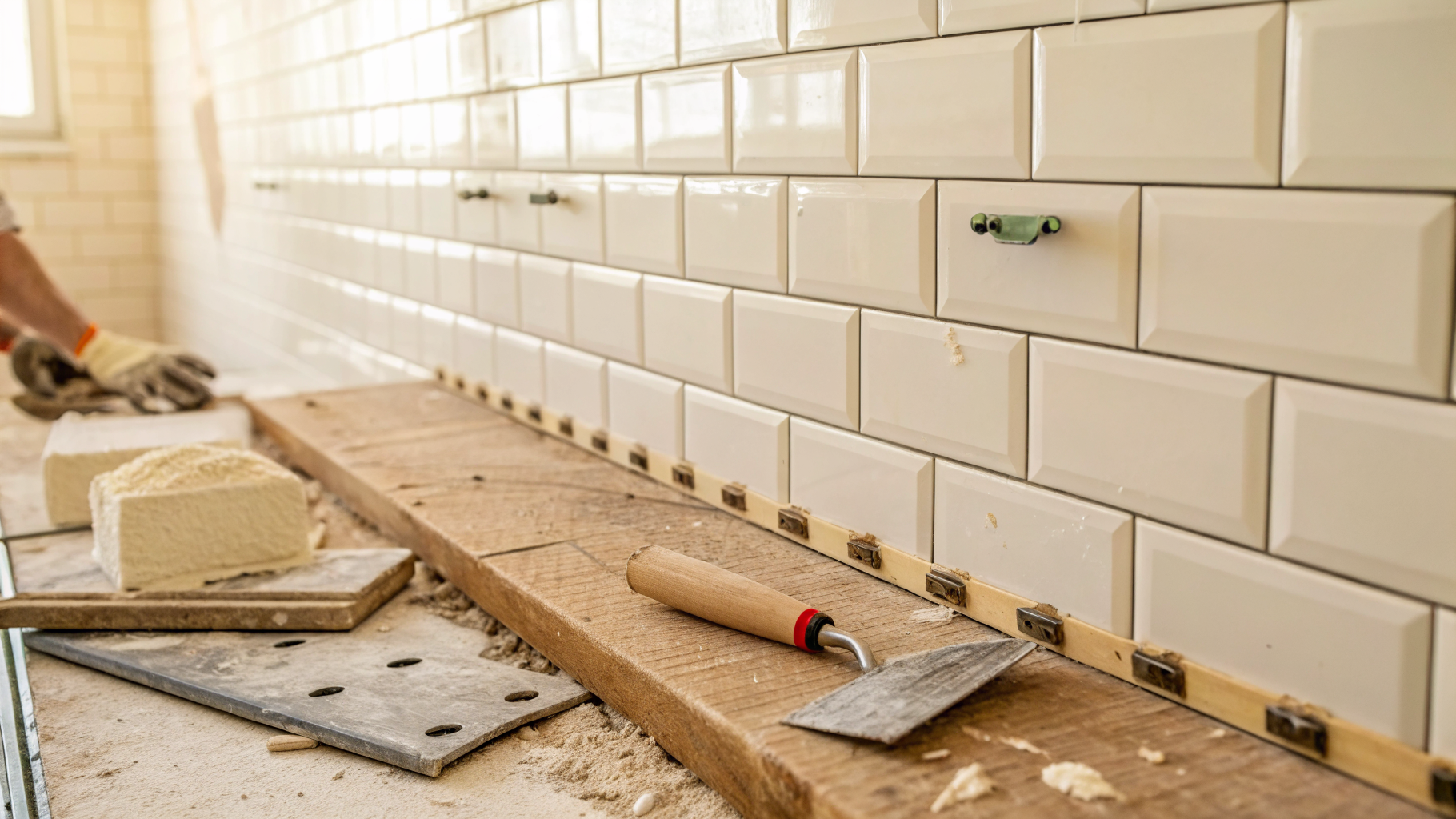
Bathrooms are the second-largest remodel category and the one where short-cuts show up fastest. Waterproofing failures appear within two years, and tile selection failures show up on day one of photography. Concept-phase tools including the broader AI interior design workspace help with surface decisions (tile pattern, vanity style, color palette) so the visual direction is locked before trades arrive.
The technical decisions sit underneath the visible ones. Fall to the drain, niche placement, exhaust sizing, and substrate prep all affect whether a bathroom still looks right after ten years. Those choices stay with the tiler and plumber, but the brief you hand them is easier to execute when finish intent is already locked.
Living areas and bedrooms, where the refresh path wins
Living rooms and bedrooms are the rooms most homeowners over-scope. They do not usually need a full remodel; they need a considered refresh. Paint, lighting, rug, window treatments, and three or four anchor pieces of furniture do ninety percent of the visual work. Running these through a digital interior decorator workflow gets you five or six complete looks before committing to a fabric sample.
The exception is a living room that opens onto a kitchen and needs to work as a single zone. That is a layout problem, not a styling problem, and benefits from the same circulation analysis you would apply to a kitchen. If the room has to flex (work-from-home bay, reading corner, media wall), a layout pass before styling is worth the forty-five minutes.
How AI compresses the concept phase
The concept phase of an interior remodel used to take six to twelve weeks: Pinterest boards, showroom visits, swatches pinned to a wall. Modern visualizers collapse that into hours. A good free interior design visualizer renders a photo of your current room in five or six directions without you touching a swatch.
This changes the order of operations. Instead of starting with a look and hunting for furniture that matches, you start with the room, generate candidate directions, short-list two or three, then go sourcing. The number of decisions you carry in your head at any one time drops, which is the actual reason projects slip.
A practical concept-phase workflow
- Capture the current state. One photo per room from the main viewing angle, plus one wide shot of how rooms connect.
- Generate five directions per room. Traditional, transitional, modern, coastal, and one wild-card.
- Pick two finalists per room. Keep the ones that feel like the house, not the ones that feel like a magazine.
- Cross-check consistency. Finalists should share flooring, trim, and one anchor material across rooms.
- Turn the winner into a brief. Paint codes, fixture models, material names, layout sketch.
A builder looking at a clear visual brief quotes faster and more accurately than one reading a wish-list of adjectives. Spending time in an AI home design workspace before the first site walk-through pays back in quote accuracy.
Common interior remodeling mistakes
- Starting without a brief. A one-page document with must-haves and non-negotiables beats six months of showroom visits.
- Choosing finishes before layout. Tile selection is meaningless if the room size is going to change.
- Ignoring the circulation path. A beautiful kitchen with a blocked walk path is a failed kitchen.
- Mismatched lighting layers. Overhead alone is not a lighting plan; task, ambient, and accent is.
- Skipping the concept-phase visualization. Fixing a bad call in 3D takes minutes; fixing it in tile costs thousands.
Homeowners who run a disciplined concept phase finish interior remodels eight to twelve weeks faster than those who start with trades. The AI house plan guide covers the same discipline applied at the whole-of-house scale.
Where interior remodeling is heading
The next year of tooling will tighten two gaps. Visualizer outputs will carry real product metadata (paint codes, tile SKUs, fixture part numbers) so you can go from mood-board to shopping cart without a human translator, and kitchen and bathroom layout tools will integrate clearance rules and local code into the generation step. Until then, the working pattern is to iterate in concept with AI Renovation's interior design workspace, lock the direction, then hand a tight brief to licensed trades. For homeowners who have picked a kitchen direction, the kitchen remodel guide covers the next-step detail on costs and sequencing.
Frequently asked questions
What is the difference between interior remodeling and renovation?
Remodeling changes how a space looks and functions inside the existing structure. Renovation can include structural changes, additions, or moving external walls. In practice the words are used loosely, so always confirm scope with a written brief before collecting quotes.
How long does a typical interior remodel take?
A single-room refresh takes one to two weeks. A full room renovation (kitchen or bathroom) takes four to eight weeks on site, plus two to four weeks of lead time on cabinetry and stone. A whole-house interior remodel usually runs four to six months end to end.
Do I need an architect for an interior remodel?
Not usually. An interior designer or experienced builder is enough for most non-structural projects. An architect or structural engineer is needed only if you are removing load-bearing walls or modifying the house envelope.
Can AI interior design tools replace a designer?
They replace the mood-board and early-iteration parts of a designer's job, not the sourcing, specifying, and site-running parts. Many homeowners use AI for the concept phase and then hand the direction to a designer for documentation and trade coordination.
How much does an interior remodel cost?
Kitchens sit between 5 and 15 percent of home value, bathrooms around 3 to 7 percent, living-room refreshes under 2 percent. Actual numbers vary with city, finish level, and whether the layout changes. A concept-phase visualization is the cheapest way to pressure-test a budget before you commit.
Should I do one room at a time or the whole house at once?
Whole-house is faster per dollar but harder to live through; room-by-room is slower per square meter but lets you keep living in the house. Most homeowners do kitchens and bathrooms together and refresh living spaces in a second pass.
How accurate are AI interior renders compared to the finished result?
Very close on color, material, and layout, less reliable on lighting at specific times of day. Use renders to lock direction and relative proportions, and rely on physical samples for final material sign-off.
Do I need council approval for an interior remodel?
Usually no, unless you are removing a load-bearing wall, modifying the facade, or substantially changing plumbing. Requirements vary by jurisdiction, so check with your local council or building authority before demo starts, especially for heritage-overlay properties.
Ready to get started? Try our Home Renovation AI, or AI Interior Design.
Frequently asked questions
What is the difference between interior remodeling and renovation?
Remodeling changes how a space looks and functions inside the existing structure. Renovation can include structural changes, additions, or moving external walls. In practice the words are used loosely, so always confirm scope with a written brief before collecting quotes.
How long does a typical interior remodel take?
A single-room refresh takes one to two weeks. A full room renovation (kitchen or bathroom) takes four to eight weeks on site, plus two to four weeks of lead time on cabinetry and stone. A whole-house interior remodel usually runs four to six months end to end.
Do I need an architect for an interior remodel?
Not usually. An interior designer or experienced builder is enough for most non-structural projects. An architect or structural engineer is needed only if you are removing load-bearing walls or modifying the house envelope.
Can AI interior design tools replace a designer?
They replace the mood-board and early-iteration parts of a designer's job, not the sourcing, specifying, and site-running parts. Many homeowners use AI for the concept phase and then hand the direction to a designer for documentation and trade coordination.
How much does an interior remodel cost?
Kitchens sit between 5 and 15 percent of home value, bathrooms around 3 to 7 percent, living-room refreshes under 2 percent. Actual numbers vary with city, finish level, and whether the layout changes. A concept-phase visualization is the cheapest way to pressure-test a budget before you commit.
Should I do one room at a time or the whole house at once?
Whole-house is faster per dollar but harder to live through; room-by-room is slower per square meter but lets you keep living in the house. Most homeowners do kitchens and bathrooms together and refresh living spaces in a second pass.
How accurate are AI interior renders compared to the finished result?
Very close on color, material, and layout, less reliable on lighting at specific times of day. Use renders to lock direction and relative proportions, and rely on physical samples for final material sign-off.
Do I need council approval for an interior remodel?
Usually no, unless you are removing a load-bearing wall, modifying the facade, or substantially changing plumbing. Requirements vary by jurisdiction, so check with your local council or building authority before demo starts, especially for heritage-overlay properties.